Urological health is an essential part of overall well-being, yet many people delay seeking care for symptoms related to the urinary tract or reproductive system. Discomfort, embarrassment, or the belief that symptoms are “normal” can prevent individuals from getting the help they need. However, early evaluation by a specialist such as a Urology physician can prevent complications, improve comfort, and support long-term health.
This article explores the most common reasons people visit a urologist, symptoms that should never be ignored, and how proper urological care can improve quality of life.
What Is Urology?
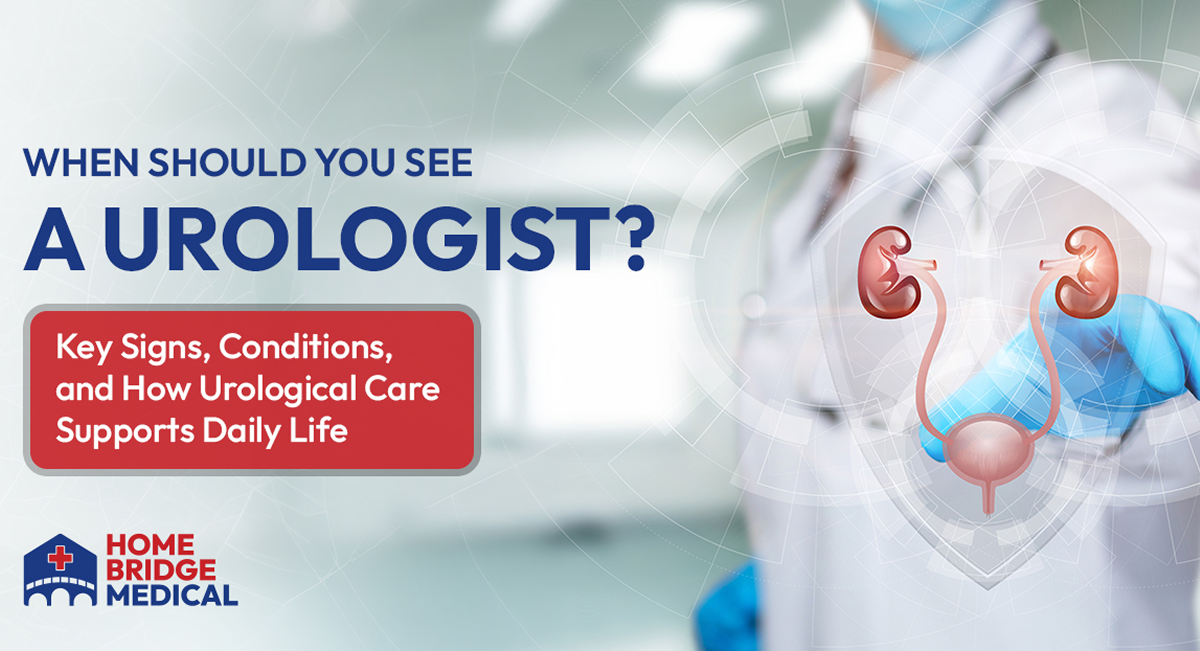
Urology is the medical specialty focused on diagnosing and treating conditions involving the urinary tract and, in men, the reproductive system. This includes the kidneys, bladder, ureters, urethra, and related organs.
A urologist manages both routine and complex issues such as:
• Urinary tract infections
• Bladder control problems
• Kidney stones
• Enlarged prostate
• Male infertility
• Urological cancers
Because urinary health affects daily comfort, sleep, mobility, and overall wellness, addressing symptoms early can make a significant difference.
Common Reasons to See a Urologist
1. Persistent Urinary Tract Infections (UTIs)
Occasional UTIs are common, particularly among women. However, frequent infections may indicate an underlying issue such as bladder dysfunction, kidney stones, or structural abnormalities.
Signs that warrant a specialist visit include:
• Burning during urination
• Frequent urge to urinate
• Cloudy or strong-smelling urine
• Pelvic pain
• Recurrent infections within a short period
A urologist can evaluate the root cause and recommend treatments that prevent recurring infections.
2. Bladder Control Problems (Incontinence)
Loss of bladder control is one of the most common urological concerns and affects millions of people worldwide. It can occur due to aging, childbirth, prostate conditions, nerve damage, or certain medical conditions.
Common types include:
• Stress incontinence (leakage during coughing, sneezing, or lifting)
• Urge incontinence (sudden intense urge to urinate)
• Overflow incontinence
• Functional incontinence
Treatment may include lifestyle changes, medications, pelvic therapy, or specialized supplies that help patients maintain dignity and independence.
Home Bridge Medical supplies discreet, clinically reliable products that support daily living for individuals managing bladder conditions at home.
3. Difficulty Urinating
Changes in urine flow can signal issues within the urinary tract or prostate.
Symptoms to watch for include:
• Weak urine stream
• Straining to urinate
• Dribbling
• Feeling that the bladder isn’t fully empty
• Pain during urination
For men over 50, these symptoms are often associated with an enlarged prostate, but only a medical evaluation can confirm the cause.
4. Kidney Stones
Kidney stones are mineral deposits that form inside the kidneys and can cause intense pain when passing through the urinary tract.
Common symptoms include:
• Severe side or back pain
• Blood in urine
• Nausea or vomiting
• Frequent urination
• Painful urination
A urologist can determine the stone’s size and location and recommend treatment options ranging from hydration and medication to minimally invasive procedures.
5. Blood in Urine (Hematuria)
Seeing blood in urine can be alarming and should always be evaluated by a healthcare professional.
Potential causes include:
• Infections
• Kidney stones
• Enlarged prostate
• Injury
• Bladder or kidney conditions
Even when there is no pain, hematuria should never be ignored.
6. Male Reproductive Health Concerns
Urologists also treat conditions affecting the male reproductive system, including:
• Erectile dysfunction
• Low testosterone
• Infertility
• Testicular pain or swelling
These issues are more common than many realize and are often treatable once properly diagnosed.
7. Chronic Pelvic or Bladder Pain
Ongoing discomfort in the lower abdomen, bladder region, or pelvic area may signal conditions such as:
• Interstitial cystitis
• Chronic prostatitis
• Nerve-related bladder issues
• Pelvic floor dysfunction
A urologist can help identify the underlying cause and develop a treatment plan that improves quality of life.
The Role of Urological Supplies in Daily Care
For many patients, managing a urological condition requires more than medical treatment. Reliable home supplies play a key role in maintaining health, hygiene, and independence.
High-quality urological products help patients:
• Maintain bladder function
• Reduce infection risk
• Improve comfort
• Support mobility
• Manage chronic conditions safely
Home Bridge Medical provides clinically trusted urological supplies designed for comfort, safety, and reliability.
Their team works closely with healthcare providers to ensure patients receive the right products and ongoing support.
Personalized Support for Patients
Access to medical supplies should never be complicated or stressful. Many patients benefit from providers who assist with the logistics of care.
Support services may include:
• Insurance verification
• Authorization management
• Prescription coordination
• Scheduled refills
• Ongoing patient assistance
With discreet delivery and responsive service, patients can focus on their health rather than administrative challenges.
How the Process Works
Getting urological supplies through a provider is typically simple:
1. A healthcare provider submits the prescription.
2. Insurance coverage is verified and approvals are handled.
3. Documentation is coordinated with the provider’s office.
4. Supplies are shipped directly to the patient’s home in discreet packaging.
5. Ongoing support and refill scheduling are provided.
This streamlined process ensures patients receive what they need without delays.
When to Seek Medical Attention Immediately
Some urological symptoms require urgent evaluation. Seek medical care if you experience:
• Severe pain in the side or lower abdomen
• Inability to urinate
• High fever with urinary symptoms
• Blood clots in urine
• Sudden loss of bladder control
Prompt care can prevent complications and lead to faster recovery.
Protecting Your Long-Term Urological Health
Healthy habits can reduce the risk of many urinary conditions.
Practical tips include:
• Staying hydrated
• Maintaining good hygiene
• Avoiding excessive caffeine or alcohol
• Managing chronic conditions like diabetes
• Scheduling regular medical checkups
• Seeking care early when symptoms appear
Preventive care is one of the most effective ways to maintain urinary health throughout life.
Conclusion
Urological symptoms are more common than many people realize, and ignoring them can lead to unnecessary discomfort and more serious health issues over time. Early evaluation by a qualified specialist such as a Urology physician helps identify the root cause of symptoms, guide effective treatment, and protect long-term health.
From urinary tract infections and kidney stones to bladder control issues and male reproductive concerns, timely care can significantly improve comfort, confidence, and daily quality of life. Just as important, having access to reliable medical supplies at home can help patients manage their condition safely and maintain independence.
Taking urinary symptoms seriously is not just about treating a problem, it is about supporting overall wellness, mobility, and peace of mind.
Call to Action
If you or a loved one is managing a urological condition, having the right support and supplies can make everyday life easier and more comfortable.
Home Bridge Medical provides clinically trusted urological supplies, personalized assistance, and discreet home delivery to help patients focus on their health with confidence.
Speak with your healthcare provider about your needs, or contact Home Bridge Medical to learn how their team can support your care with reliable products and compassionate service.